
When Traffic Stopped Feeling Like Growth
There was a point where I stopped celebrating traffic milestones.
Not because traffic is useless, but because I had already seen what happens when SEO looks good on dashboards and does nothing for revenue. One SaaS site I worked on crossed 40k monthly organic sessions. The blog was ranking, backlinks were growing, and yet sales calls sounded the same every week. Low intent leads. Long nurturing cycles. A lot of “just exploring” conversations.
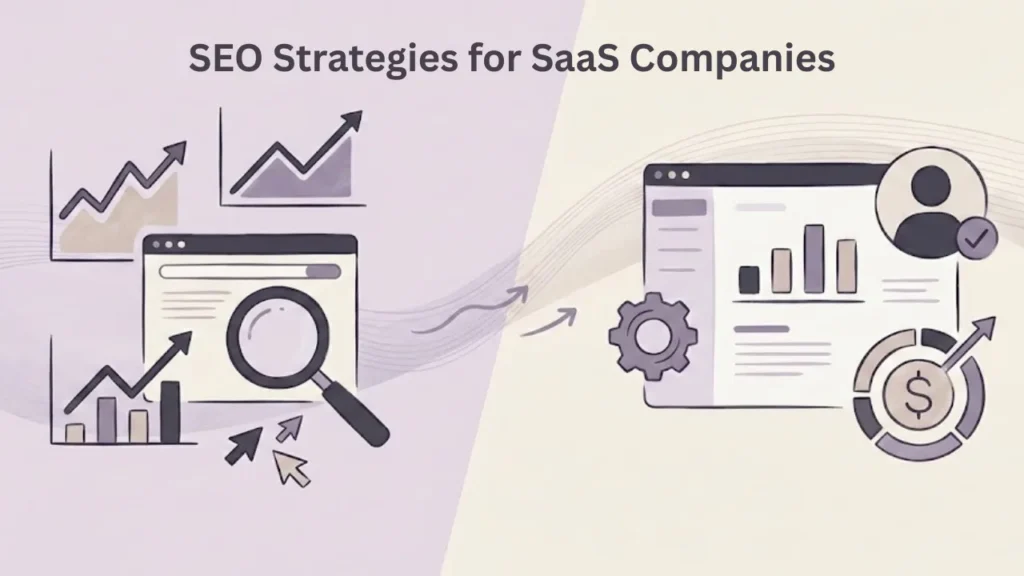
That experience forced a shift in how I think about seo strategies for saas companies. SEO is not about being discovered. It is about being chosen. And most SaaS SEO fails because it confuses the two.
This shift is also reflected in how search engines evaluate content today. Google has repeatedly emphasized that pages should help users make real decisions, not just attract clicks. Their guidance on helpful content reinforces why SaaS SEO performs better when it focuses on intent, clarity and trust instead of raw traffic.
Why SaaS SEO Breaks When You Treat It Like Content Marketing
Traditional content marketing rewards volume and consistency. SaaS does not.
A SaaS buyer is not browsing. They are comparing risk, switching cost, internal approval, and long-term dependency. When SEO content ignores that reality, it attracts the wrong kind of attention.
I realized this after auditing dozens of blog posts that ranked well but never appeared in sales conversations. They answered questions clearly, but they answered the wrong questions at the wrong stage.
To make this clearer, here is how I now mentally separate SaaS SEO from generic SEO.
Generic SEO vs SaaS Revenue-Driven SEO
| Aspect | Generic SEO Content | SaaS-Focused SEO |
|---|---|---|
| Primary goal | Traffic and rankings | Qualified users and conversions |
| Keyword intent | Informational first | Problem and solution aware |
| Success metric | Sessions, CTR | Trials, demos, assisted revenue |
| Content tone | Neutral and broad | Opinionated and experience-based |
| CTA behavior | Aggressive or generic | Contextual and trust-building |
Once you see SEO through this lens, a lot of common advice starts to feel incomplete.
This gap between rankings and real revenue usually appears when SEO is treated as content production instead of a growth system. I have seen this mistake repeat across multiple SaaS sites, especially in B2B, where search traffic looks healthy but buying intent stays weak. I broke this down in detail in why B2B SaaS SEO fails and what actually starts working when the focus shifts from traffic to trust.
The Keyword Shift That Changed Everything
One of the most uncomfortable decisions I made was intentionally walking away from high-volume keywords.
Not because they are useless, but because they are often misaligned with buying intent.
We once ranked top three for a keyword with over ten thousand searches a month. It drove massive traffic, great engagement, and almost no revenue. People came to learn, not to decide.
What replaced that strategy was focusing on keywords that hinted at internal friction. Searches that implied dissatisfaction, comparison fatigue, or uncertainty. These keywords look weak in tools, but they behave very differently in funnels.
Here is what that shift looked like in practice.
Keyword Intent vs Business Impact
| Keyword Type | Avg. Monthly Searches | Trial Conversion | Revenue Contribution |
|---|---|---|---|
| Broad how-to guides | High | Very low | Minimal |
| Feature explanations | Medium | Low to moderate | Assisted |
| Comparison and alternatives | Low | High | Direct |
| Pricing and limits queries | Low | Very high | Strong |
This table is not theory. It came from watching analytics over months and matching content paths with closed deals.
This way of thinking becomes even more important when your product is sold to teams rather than individuals. B2B buyers rarely convert from curiosity alone. They move after clarity, internal alignment, and risk reduction. I explored this shift in detail in what B2B SaaS really means and why so many modern businesses are structured around it.
Content That Converts Rarely Feels Comfortable to Publish
The highest converting SEO pages I have seen were also the most debated internally.
They talked openly about limitations. They acknowledged trade-offs. They compared competitors honestly instead of pretending alternatives did not exist.
One article we published openly addressed a feature gap users frequently complained about. The fear was that it would push people away. Instead, it filtered the wrong users and accelerated trust with the right ones.
Traffic was modest. Conversion rate was the highest on the blog.
That experience changed how I judge content success. If a piece feels slightly risky but deeply honest, it usually performs better in SaaS.
How We Stopped Forcing CTAs and Started Creating Momentum
Early on, almost every blog post ended the same way. A banner. A button. Start your free trial.
It looked fine. It barely worked.
What worked instead was weaving the product naturally into the narrative. Not as a pitch, but as context. When content described a workflow or problem, the product appeared as a logical continuation, not an interruption.
The difference was subtle but measurable. Scroll depth increased. Assisted conversions increased. Bounce rates dropped.
People do not mind being introduced to a product. They mind being pushed before they are ready.
Choosing the right tools is often less about features and more about alignment with real business needs. I have seen teams waste months testing software that looked impressive but never fit their workflows. This is why I broke down practical selection criteria in best AI tools for business, focusing on tools that actually save time and support smarter growth decisions.
When SEO Pages Start Doing the Sales Team’s Job
A quiet signal that your SaaS SEO is working is when sales starts sharing your content without being asked.
That happened after we created pages specifically designed to answer pre-sales confusion. Pricing breakdowns. Comparison pages. Migration scenarios. Real use cases written from actual onboarding experience.
These pages did not chase traffic. They reduced friction.
Over time, sales cycles shortened. Prospects arrived informed. Objections shifted from basic questions to serious implementation discussions.
SEO stopped being a top-of-funnel experiment and became part of the revenue engine.
Pricing content creates real impact only when it removes uncertainty instead of adding pressure. In SaaS, I have seen unclear pricing pages slow down decisions, while transparent explanations move users forward with confidence. I explored this idea in more detail in pricing clarity for developers, where the focus is on helping buyers understand value before cost.
Scaling SaaS SEO Without Killing Quality
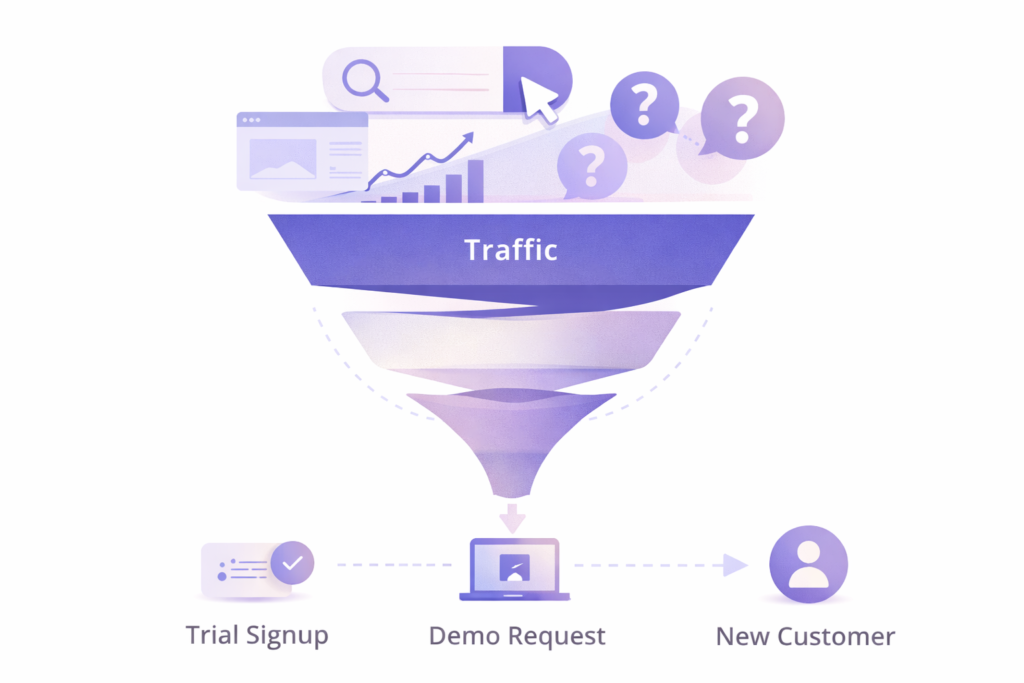
The fastest way to damage SaaS SEO is to scale content without scaling understanding.
I have seen traffic decline not because Google changed, but because content lost its connection to the product. Writers who never used the tool cannot write convincing problem-solution narratives.
What stabilized growth was slowing down and tightening feedback loops. Support tickets informed topics. Sales objections shaped outlines. Product changes updated existing content instead of creating new pages.
SEO became less about publishing and more about refining.
Content Scaling Mistakes vs Sustainable SEO
| Scaling Approach | Short-Term Result | Long-Term Impact |
|---|---|---|
| High volume publishing | Traffic spike | Quality decay |
| Generic outlines | Fast output | Low trust |
| Product-informed content | Slower growth | Strong conversions |
| Updating old content | Minimal traffic jump | Compounding authority |
Closing Thought: SEO Is a Conversation, Not a Channel
The biggest mindset shift for me was realizing that SEO is not a growth hack. It is a long conversation with future customers who do not know you yet.
When SEO respects where the reader is mentally and emotionally, traffic becomes leverage instead of noise.
That is where seo strategies for saas companies stop being theoretical and start becoming profitable.
If you have experienced strong traffic but weak conversions in your SaaS, share what you tried and where it broke. Explore related articles on Advance Techie if you want to go deeper into SaaS growth, pricing psychology and real-world SEO execution.
FAQ: SEO Strategies for SaaS Companies
Is SEO still effective for SaaS products today?
Yes, but only when focused on intent and trust. Traffic alone no longer moves revenue.
How long does it take to see paid users from SEO?
In my experience, meaningful conversions usually appear after consistent intent-focused content over several months.
Should SaaS companies avoid informational keywords?
Not entirely. They help authority, but they should support decision-stage content, not replace it.
What type of SEO content converts best for SaaS?
Comparison pages, pricing clarity, and honest use-case content convert far better than generic guides.
Can small SaaS teams compete with big brands in SEO?
Yes. Smaller teams often win by being more honest, specific, and experience-driven.
How do seo strategies for saas companies differ for early-stage vs mature products?
Early-stage SaaS benefits more from problem-aware and comparison content, while mature products gain more from authority-driven pages that defend market position and reduce churn-driven objections.
Can seo strategies for saas companies work without a large content team?
Yes. I have seen small teams outperform larger competitors by publishing fewer, product-informed articles that directly address buyer hesitation instead of chasing volume.